There are two ways to make your lights smart, and people argue about them like it's a settled matter. It isn't. Smart bulbs and smart switches solve the same problem from opposite ends, and the right answer genuinely depends on the room, the wiring, and how the people in your house behave around light switches.
This is a straight comparison, not a sales pitch for either. By the end you'll know which one fits a given room, why so many homes quietly use both, and the one failure mode that decides more of these choices than anything on a spec sheet.
The core difference in one minute#
A smart bulb puts the intelligence in the bulb. It screws into a normal fixture, connects to your home, and you control it from an app or your voice. The wall switch behind it becomes almost a liability, because if someone flips it off, the bulb loses power and drops off the network entirely.
A smart switch puts the intelligence in the wall. You replace the physical switch with one that can be controlled remotely while still working as an ordinary switch for anyone who walks up and presses it. It controls whatever is wired to that circuit, dumb bulbs included, and it keeps working the way people expect.
That single distinction, where the brains live, drives every other trade-off below.
Cost and effort#
Smart bulbs win on the first purchase and on ease. You unbox a bulb, screw it in, open an app, and you're done in minutes with no tools and no wiring. For a lamp or two, nothing is simpler or cheaper to try.
The math flips in rooms with many bulbs. A kitchen with six downlights needs six smart bulbs, and that adds up fast. One smart switch controls all six at once for a fraction of the cost, using cheap ordinary bulbs behind it. So the rough rule is: few fixtures, lean toward bulbs; many bulbs on one switch, lean toward the switch.
Effort runs the other way. A switch means working with your home's wiring, and that's where people hesitate.
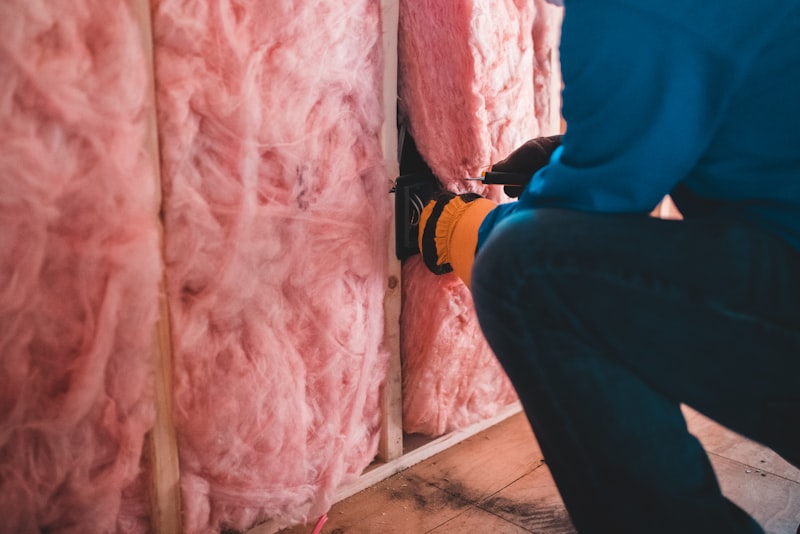
If you're comfortable turning off the circuit at the breaker and following instructions carefully, many smart switches are a manageable afternoon job. If the words "neutral wire" make you uneasy, budget for an electrician or choose bulbs instead. There's no shame in either, and mains wiring is not the place to guess.
One wiring detail is worth naming: some older homes lack a neutral wire in the switch box, which certain smart switches require. It's worth checking before you buy, because discovering it mid-install is a bad afternoon.
There's a renting angle too. Bulbs come with you when you move and leave no trace, which makes them the easy, landlord-proof choice for a rented home. A switch is wired into the property, so you'll usually want the original back in a box to reinstall when you leave. If you don't own the walls, that alone often tips the balance toward bulbs.
Control and flexibility#
Smart bulbs give you per-bulb control, and that's their real superpower. You can set one lamp warm and another bright, run color scenes, and light a single corner of a room without touching the rest. For a living room where mood matters, or anywhere you want color, bulbs are hard to beat. If that flexibility appeals to you, our guide to choosing smart bulbs for your home walks through brightness and color in detail.
Smart switches give you control over the whole circuit as one group. You usually give up per-bulb color and per-bulb dimming in exchange for controlling everything on that switch reliably, and for keeping the tactile wall control everyone in the house already knows how to use. For hallways, stairs, bathrooms, and outdoor lights, that trade is often exactly right.
Here's a way to think about it:
- Want to control each light individually or use color? Bulbs.
- Want to control a group of lights and keep a normal wall switch? A switch.
- Want both in the same room? That's allowed, and common.
The wall-switch problem#
This is the deciding factor for more homes than any feature. Picture a smart bulb in a ceiling fixture. Someone walks in, flips the wall switch out of lifelong habit, and the bulb goes dark and offline. Now your automations don't fire, your voice command fails, and the "smart" light is just a dead bulb until someone flips the switch back on.
You can manage this. Some people put a little cover or label over the switch, others swap in a special accessory switch designed to signal the bulb instead of cutting its power. But it's friction, and it's friction your guests and family will trip over constantly, because turning off a light at the wall is one of the most automatic things a person does.
Smart switches sidestep the whole issue. The switch is the smart part, so pressing it is not just allowed, it's the point. If your household includes people who will never remember to leave a switch alone, that fact alone may settle the argument for the busy rooms.
Which to pick, room by room#
Rather than crown a winner, choose per room:
- Living room and bedrooms: bulbs often win, because you want dimming, warmth, and maybe color, and there aren't many fixtures per switch.
- Kitchen, hallway, and stairwells: switches often win, thanks to multiple bulbs on one circuit and heavy walk-up use.
- Bathrooms and outdoor lights: switches tend to be the practical, reliable choice.
- Lamps and side tables: a smart plug or a single smart bulb is usually all you need.
Whichever path you take, tidy up the account behind it. Both bulbs and switches lean on an app and a login that can reach into your home, so use a unique password and turn on two-step verification. It's a small habit that protects the whole setup.
The honest recommendation#
Stop trying to pick a side. The best-working smart homes I've seen aren't loyal to bulbs or switches; they use whichever fits each room and accept that lighting is a patchwork. Start with the room that annoys you most, pick the option that suits its fixtures and its foot traffic, and live with it before doing the next one.
If you're just dipping a toe in, begin with a smart bulb in a lamp, because it's cheap, reversible, and teaches you what you actually want from smarter light. When you hit a room with a wall full of downlights and a family that loves the switch, you'll already know why the wall is the smarter place to be.