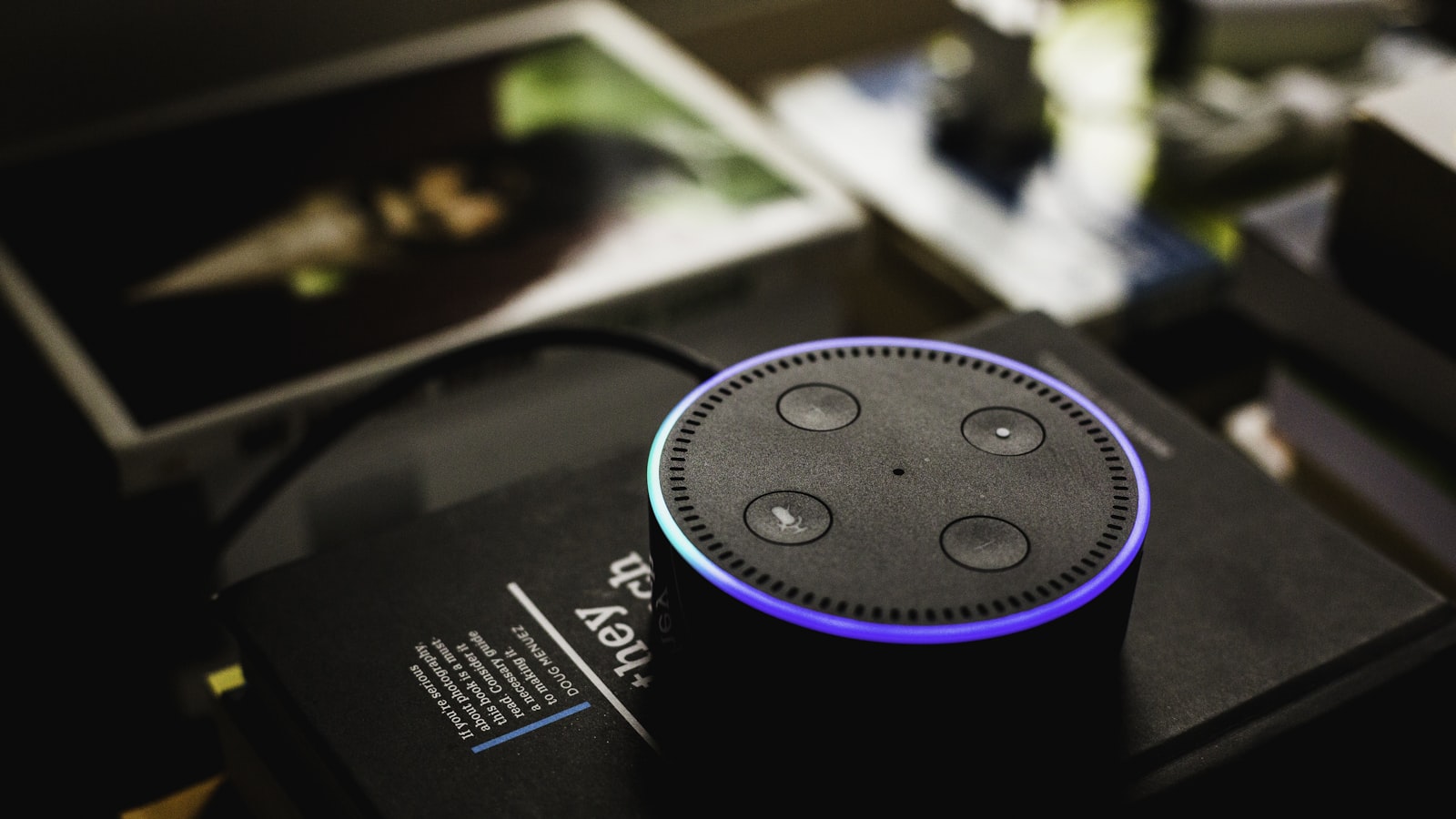
A smart speaker is often the moment a home stops feeling like a pile of gadgets and starts feeling connected. Suddenly you can ask for the weather, set a timer with wet hands, play music across rooms, and tell the lights to dim without touching a thing. It's the friendliest front door into the smart home, which is exactly why it's worth choosing carefully.
The trouble is that all smart speakers look like the same little puck or cylinder, and the differences that matter are mostly hidden. This guide walks through what to actually weigh: the assistant living inside, the sound, the size, and the microphone that's always part of the deal.
The assistant matters more than the speaker#
The most important decision isn't which speaker you buy; it's which voice assistant you commit to. The big platforms each have their own assistant, their own app, and their own list of compatible devices, and once you're in one, it shapes everything you add later.
If you already lean on a particular phone, email, or calendar, the matching assistant will usually feel most at home, because it plugs into the accounts and services you already use. And if you own smart devices, or plan to, check which assistant they support before you pick a speaker. Buying the speaker first and the ecosystem by accident is how people end up with lights that won't talk to their voice assistant.
Think of the speaker as the microphone and the assistant as the brain. You can replace a speaker later, but switching assistants means relearning commands, moving accounts, and sometimes rebuying devices. Choose the brain deliberately, then pick a body for it.
Newer devices increasingly support standards designed to let gear from different brands cooperate, which softens the lock-in a little. It's still smart to choose an assistant you're happy living with, but favor speakers and devices that play nicely across ecosystems when you can.
One practical check before you buy: confirm the assistant supports the music service you actually use. Most speakers handle the big streaming platforms, but the details vary, and a few assistants play a particular service more smoothly than others or set it as the default. If you have a subscription you'd hate to lose, spend two minutes confirming it works well on the speaker you're eyeing, rather than discovering the gap after it's on the shelf.
Sound quality and the room's job#
Be honest about what you'll use the speaker for, because that decides how much to care about sound. A tiny puck is perfectly good for timers, questions, weather, and controlling your home by voice. It is not good for filling a living room with music, no matter how the box describes it.
Rough guidance by room:
- Bedroom or bathroom: a small, cheap speaker is plenty for alarms, questions, and quiet listening.
- Kitchen: a mid-size speaker earns its keep, since you'll set timers and play things while cooking.
- Living room: spend more for real sound, or pick a speaker that pairs into a stereo set, if music matters here.
- Home office: small is fine, but check that the assistant handles the reminders and calendar tricks you want.
Some speakers add a screen, which changes the calculation. A display is genuinely handy in a kitchen for recipes and video calls, and it doubles as a photo frame. It also means a camera in the room, so weigh that against where you're putting it.
Size, placement, and multi-room audio#
Where a speaker sits affects how well it hears you and how good it sounds. Give it a little breathing room rather than burying it in a bookshelf, keep it off the floor, and avoid tucking it right against a wall if you care about audio. Speakers need to hear you over their own music, so a spot away from constant background noise helps the microphone do its job.
If you might want music that follows you around the house, look at whether the speakers support multi-room audio within the same ecosystem. Sticking to one platform makes grouping speakers painless; mixing brands usually doesn't. This is another quiet argument for picking your assistant first, then buying speakers that all speak the same language.
Don't over-buy on day one, though. It's tempting to imagine synchronized music in every room, but most people find one or two well-placed speakers cover the moments they actually care about.
The microphone in the room#
A smart speaker listens for its wake word, which means it has an always-on microphone in your home. That's not sinister by itself, and it's how the whole thing works, but it deserves a clear-eyed look rather than a shrug or a panic.
Here's what's worth knowing and doing:
- Every reputable smart speaker has a physical mute button or switch that electrically cuts the microphone. Learn where it is, and use it in rooms or moments where you'd rather not have a live mic.
- The device is listening for its wake word locally; it's meant to send audio to the cloud only after it thinks it heard that word. Occasional false triggers happen, so mistaken snippets can be captured.
- Most assistants let you review and delete your voice history, and turn off having recordings saved for product improvement. Dig into the privacy settings once, set them how you like, and you've handled the bulk of it.
- A bedroom is the room people most often reconsider. There's no wrong answer, but decide on purpose rather than by default.
None of this should scare you off. A smart speaker is a reasonable thing to own, and the controls to manage it are real and easy to reach. The point is simply to choose with your eyes open, especially around a device you'll leave running in the corner for years.
Buying your first speaker#
Start with one, and start cheap. A small, inexpensive speaker from the ecosystem you've chosen tells you more in a week than any amount of research, because you'll quickly learn which commands you actually use and where you wish you had one. Voice control is one of those things that sounds gimmicky until it's the thing you use twenty times a day.
Once you know an assistant fits your life, expanding is easy and often the point where the rest of your home clicks into place. A speaker becomes the voice on top of everything else: your lights, your plugs, your routines. If you want that voice to do more than answer questions, the next step is to connect it to the pieces around it, and a good starting point is our guide to smart home hubs and whether you need one to tie it all together.